Understanding the psychological triggers behind gambling behaviors
The Allure of Instant Gratification
One of the primary psychological triggers behind gambling behaviors is the concept of instant gratification. Gamblers often experience a rush of excitement from the immediate rewards that come from winning. This dopamine release reinforces the behavior, encouraging players to seek that thrill repeatedly. For instance, when a player hits a jackpot on a slot machine, the elation they feel can become addictive, leading them to chase the high they just experienced. Many enjoy the https://www.aviator-game.ca/ platform for its unique playstyle that enhances this thrill.

Moreover, the architecture of gambling games is designed to exploit this desire for instant gratification. Many games, especially online platforms like the Aviator game, create environments where players can win or lose money in quick succession. This constant cycle can lead to a player becoming more engrossed in the activity, often ignoring the risks involved. Essentially, the immediate feedback loop keeps players engaged longer, fostering a deeper psychological attachment to the game.
In essence, the thrill of potential immediate rewards is a powerful motivator. Players often rationalize their gambling behaviors by focusing on past wins rather than the odds against them. This skewed perception can lead to a detrimental cycle, reinforcing the gambling habit. As the brain becomes wired for these short bursts of pleasure, players may prioritize gambling over more constructive activities.
The Role of Social Influence
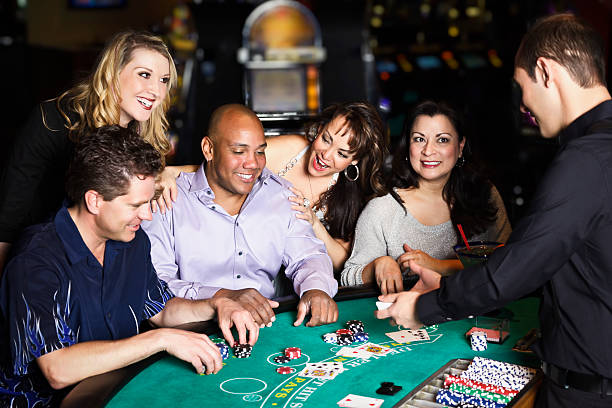
Social influences also play a crucial role in shaping gambling behaviors. Peer pressure and social norms can significantly impact an individual’s decision to gamble. If a person is surrounded by friends who gamble or who frequently visit casinos, they may feel compelled to join in, believing it will enhance their social standing or foster connections. This phenomenon is particularly prevalent in environments where gambling is normalized, such as certain college campuses or social gatherings.
The online gambling landscape has also created virtual communities where players can interact with others in real-time. Games like the Aviator betting game promote a sense of camaraderie and competition among players. These social interactions can heighten the excitement of gaming and provide a community for like-minded individuals. The fear of missing out, or FOMO, can further amplify the urge to participate, driving individuals to gamble more frequently than they might otherwise.
Additionally, social media platforms can exacerbate this behavior, showcasing wins and promoting gambling as a fun and harmless pastime. The impact of influencers and advertising strategies can create an allure that overshadows the potential dangers of gambling. As a result, individuals may overlook the risk of addiction, believing that their gambling behavior is simply a way to connect with friends or enjoy their free time.
Cognitive Distortions in Gambling
Cognitive distortions are significant psychological triggers that affect gambling behaviors. Gamblers often misinterpret their chances of winning, leading to irrational beliefs about luck and skill. For instance, a player might believe that their recent losses mean they are “due” for a win, a common fallacy known as the gambler’s fallacy. This misguided reasoning creates a false sense of confidence, prompting continued betting despite poor odds.
These cognitive biases can also manifest in the form of selective memory. Gamblers are more likely to remember their wins while conveniently forgetting their losses, reinforcing the belief that they have more control over the game than they actually do. This skewed perspective can perpetuate gambling as individuals become trapped in a cycle of hope and disappointment, convinced that they will eventually strike it rich.
The design of gambling games often caters to these cognitive biases, further exacerbating the problem. Features like near-misses in slot machines or frequent small wins create an illusion of control, making players feel like they can influence the outcome. This psychological manipulation keeps players engaged, leading them to gamble longer and more frequently, despite the inherent risks involved.
The Influence of Escape and Emotional States
For many individuals, gambling serves as a form of escapism. Those experiencing stress, anxiety, or depression may turn to gambling as a way to distract themselves from their emotional turmoil. The high-stakes environment of casinos or online platforms can provide an exhilarating break from reality, even if it is temporary. This escape can be particularly appealing to individuals who find themselves overwhelmed by life’s challenges.
Emotional states can significantly affect decision-making processes in gambling. When people are in a heightened emotional state, whether from joy or despair, they may make impulsive decisions that they wouldn’t normally consider. For example, someone celebrating a recent achievement might feel invincible and more likely to gamble recklessly, while those feeling defeated may gamble to chase their losses. This cycle of emotional decision-making can lead to dangerous gambling habits.
Furthermore, the act of gambling can create a temporary sense of control amidst chaos. By engaging in games, individuals may feel empowered to influence their outcomes, even when the odds are stacked against them. This illusion of control can draw people back repeatedly, making it difficult to break free from the cycle of gambling, as they continuously seek that fleeting escape from their emotions.
Your Guide to Safe Gambling Practices
Understanding the psychological triggers behind gambling behaviors is essential for developing safe gambling practices. By recognizing the emotional and cognitive factors at play, individuals can make more informed decisions about their gambling habits. Being aware of the risks and setting limits on time and money spent on gambling can create a healthier relationship with gaming, whether it’s through online platforms like the aviator game online or traditional casinos.
At Aviator Game Canada, we aim to provide players with comprehensive information about gambling mechanics, strategies, and safe practices. Whether you are looking to enjoy the thrill of the aviator bet for real money or want to explore demo modes, understanding the psychological aspects can help mitigate the risks involved. We encourage players to approach gambling as a form of entertainment, rather than a way to solve financial problems or escape reality.
Ultimately, fostering awareness about the psychological triggers that influence gambling can empower players to make better choices. By prioritizing responsible gaming and seeking support when needed, individuals can enjoy gambling without falling prey to its more detrimental aspects. Join us at Aviator Game Canada to explore safe and thrilling gaming experiences while understanding the psychology behind gambling behaviors.