Gambling through the ages The historical evolution of risk and reward
The Origins of Gambling
Gambling has roots that stretch back to ancient civilizations, where risk and reward formed the core of many social interactions. In Mesopotamia, artifacts like dice dating back to 3000 BC reveal that people engaged in games of chance for entertainment and fortune. These early forms of gambling weren’t merely about luck; they often intersected with social status and community bonding, creating a rich tapestry of cultural significance surrounding these activities. For those interested in trying their luck today, lolajack.bet offers a modern twist on these age-old pastimes.

In Ancient China, gambling evolved into a more structured form with the invention of games such as Keno, which dates back to the Han Dynasty. The inclusion of chance in these games highlighted the human fascination with fortune and risk. This early engagement in gambling also influenced Chinese society by shaping cultural norms around luck, fate, and the divine, which persist in various forms today.
As civilizations grew, so did the complexity of gambling. The Romans, for instance, popularized betting on gladiatorial games and chariot races, where spectators risked their wealth for potential rewards. Such activities created an environment that not only entertained but also fostered social connections, demonstrating that gambling was not solely about the money—it also served as a vital communal activity.
The Middle Ages and the Rise of Gaming Houses
The Middle Ages saw gambling undergo significant transformations, marked by the establishment of gaming houses across Europe. These establishments provided a legal avenue for betting, as authorities began to regulate gambling in an effort to control its impact on society. During this time, games like backgammon and early forms of card games emerged, signaling a shift from betting on events to engaging in games that required skill and strategy.
The Church’s attitude towards gambling was complex; it was often condemned, yet it remained prevalent among nobles and common folk alike. The tensions between moral opposition and widespread participation led to various attempts to regulate gambling. This era set the stage for the development of gambling houses as social spaces, where people congregated not just to wager, but to socialize and enjoy entertainment.
By the end of the Middle Ages, the groundwork for modern gambling establishments was firmly laid. The introduction of standardized playing cards further evolved the gambling landscape, leading to the creation of games such as poker and blackjack. As Europe transitioned into the Renaissance, gambling became intricately woven into the fabric of society, symbolizing both risk and opportunity.
The Birth of Modern Casinos
The 18th century marked a pivotal moment in the evolution of gambling with the establishment of the first modern casinos. Venues like the Casino di Venezia in Italy and the Baden-Baden Casino in Germany set the stage for luxury gambling experiences that attracted the elite. This era embraced opulence and entertainment, transforming gambling into a glamorous pastime rather than a simple means to win money.
During this period, the principles of probability began to be understood more deeply, leading to the development of games based on mathematical odds. Roulette emerged as a quintessential example, captivating players with its spinning wheel and betting options. The allure of risk became even more pronounced as people sought the thrill of chance against the backdrop of sophisticated environments.
The rise of casinos also coincided with the expansion of gambling laws and the establishment of regulatory bodies. This period saw a gradual shift from underground gaming to formalized institutions, making gambling accessible to a broader audience. By the 19th century, the concept of the casino had firmly established itself, further intertwining risk and reward within societal frameworks.
The 20th Century and the Digital Revolution
The 20th century ushered in a new era for gambling with the advent of technology. The introduction of slot machines revolutionized gaming by allowing players to engage in fast-paced gambling without the need for other players. This innovation transformed gambling from a social event into an individual experience, paving the way for the gambling industry’s exponential growth.
As the century progressed, the legalization of casinos in places like Las Vegas in the United States marked a significant turning point. Las Vegas became synonymous with gambling, incorporating entertainment, dining, and nightlife into its appeal. The city’s casinos not only provided opportunities for substantial winnings but also created an immersive experience, blurring the lines between risk, reward, and entertainment.
The digital revolution brought about online casinos, changing the landscape of gambling once again. Players gained access to a vast array of games from the comfort of their homes, introducing new dynamics of convenience and accessibility. This shift has allowed a global audience to participate in gambling activities, broadening the scope and impact of gambling culture on society.
Modern Gambling and Its Future
Today, gambling continues to evolve in response to technological advancements and cultural shifts. Online platforms, mobile gaming apps, and virtual reality casinos have transformed the way people engage with gambling. These innovations have made gambling more interactive and immersive, appealing to younger generations who seek novel experiences.
The rise of cryptocurrencies has also introduced new opportunities for secure and anonymous transactions, further expanding the horizons of online gambling. As regulations adapt to these changes, the industry faces challenges in maintaining fair play and responsible gambling practices. The conversation surrounding addiction and ethical gambling has become increasingly crucial, urging both players and providers to prioritize safety.
Looking ahead, the integration of artificial intelligence and data analytics is poised to reshape gambling experiences even further. These technologies could offer personalized gaming experiences, enabling providers to tailor content and promotions based on user behavior. The future of gambling will likely continue to intertwine risk and reward, reflecting human nature’s enduring fascination with chance and fortune.
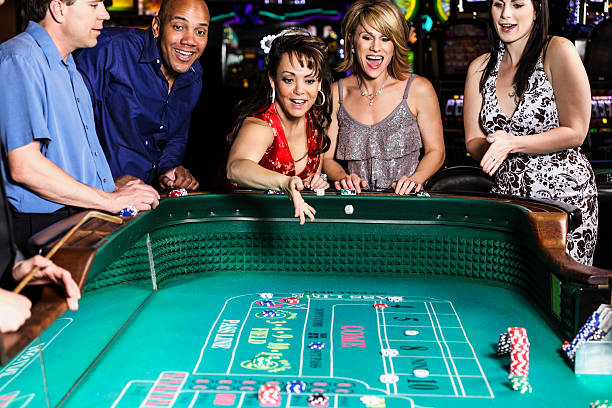
Discovering LolaJack Casino
LolaJack Casino stands out as a premier online gaming destination that perfectly embodies the historical evolution of gambling. With an impressive selection of over 4,000 slots, live tables, and jackpots, LolaJack offers players an extraordinary experience reminiscent of traditional casinos, but with the convenience of online access. Established in 2024, the casino is dedicated to providing exceptional service, including fast payouts and rigorous verification processes to ensure player security.
New players can take advantage of a generous welcome package, featuring bonuses and free spins that enhance the excitement of starting their gaming journey. The casino also supports various payment options, including cryptocurrencies, making it accessible to a diverse audience. Additionally, LolaJack’s dedicated VIP program and regular promotions ensure that players remain engaged and rewarded as they explore all the gaming options available.
As the world of gambling continues to evolve, LolaJack Casino invites players to join a vibrant community where risk and reward intersect seamlessly. With a commitment to player satisfaction and a focus on innovation, LolaJack is poised to become a favorite destination for both novice and seasoned gamblers alike.